New Construction vs. Resale Homes in Hollister: Which Is Right for You?
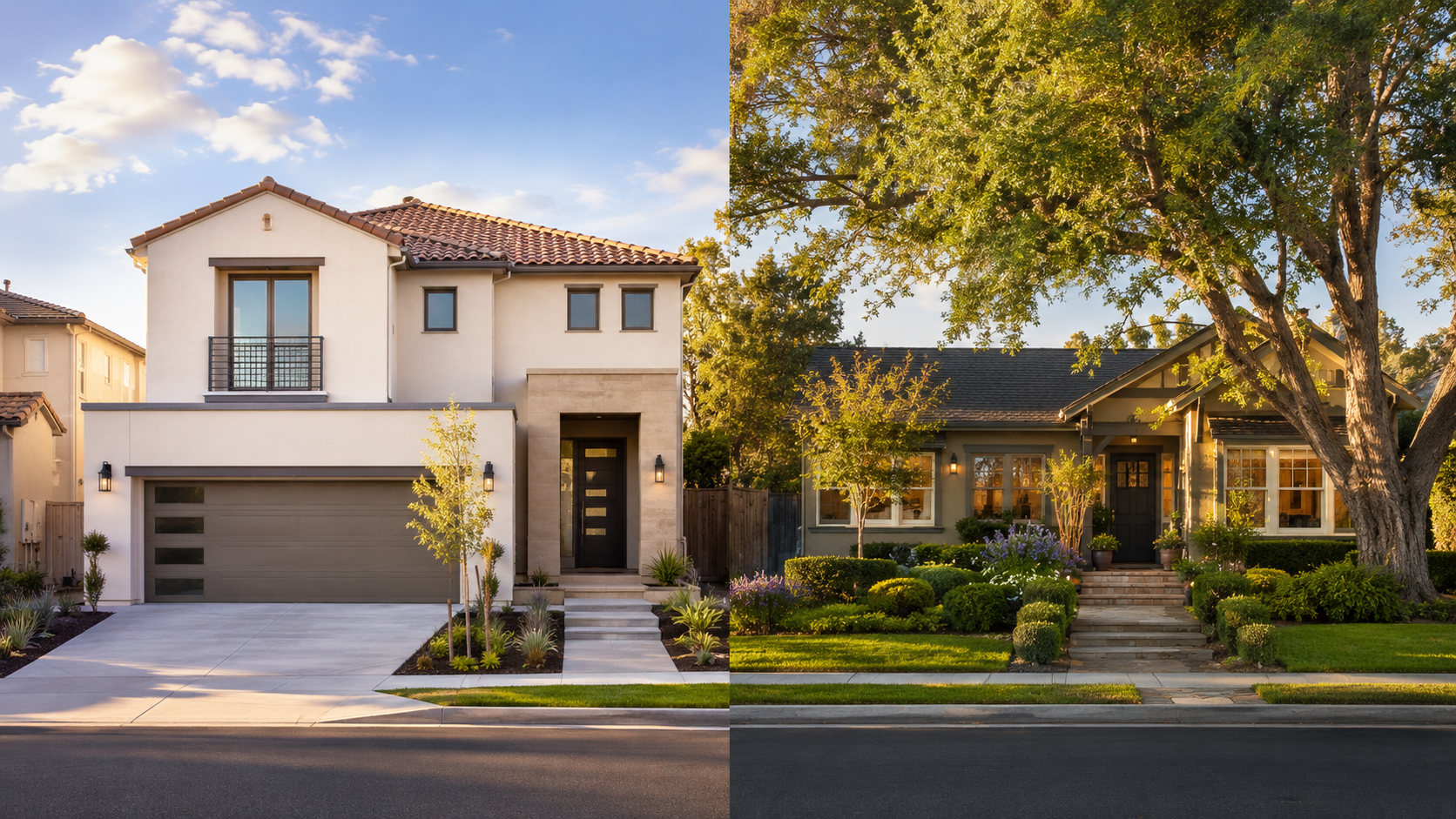
If you are planning to buy a home in Hollister, one of your first decisions may be whether to purchase a newly built home or an existing resale property. Both options can offer real advantages, but the right choice depends on your budget, timeline, preferred location, and willingness to take on maintenance or renovations.
Hollister offers buyers a mixture of established neighborhoods, rural and acreage properties, and growing new-home communities. Understanding how new construction homes in Hollister compare with resale homes can help you make a more informed decision before touring properties or visiting a builder’s sales office.
What Is a New-Construction Home?
A new-construction home is a property that has recently been built or is still under construction. Depending on the community and stage of development, buyers may have several purchasing options:
A completed home that is ready for immediate occupancy
A quick move-in home that is nearing completion
A home currently under construction
A future home for which the buyer may be able to select a floor plan, homesite, finishes, or upgrades
The choices available will depend on the builder, construction schedule, phase release, and remaining homesites.
Hollister’s new-home market has included communities from regional and national builders. Because availability, pricing, incentives, and release dates can change, buyers should verify the current information before relying on an advertised price or floor plan.
Advantages of Buying a New-Construction Home in Hollister
Everything Is New
One of the clearest advantages of new construction is that the home’s major components are new. The roof, plumbing, electrical system, appliances, heating and cooling equipment, windows, and finishes generally have not experienced years of wear.
Although every home requires ongoing care, purchasing new construction may reduce the likelihood of facing major replacement projects immediately after moving in.
Modern Floor Plans
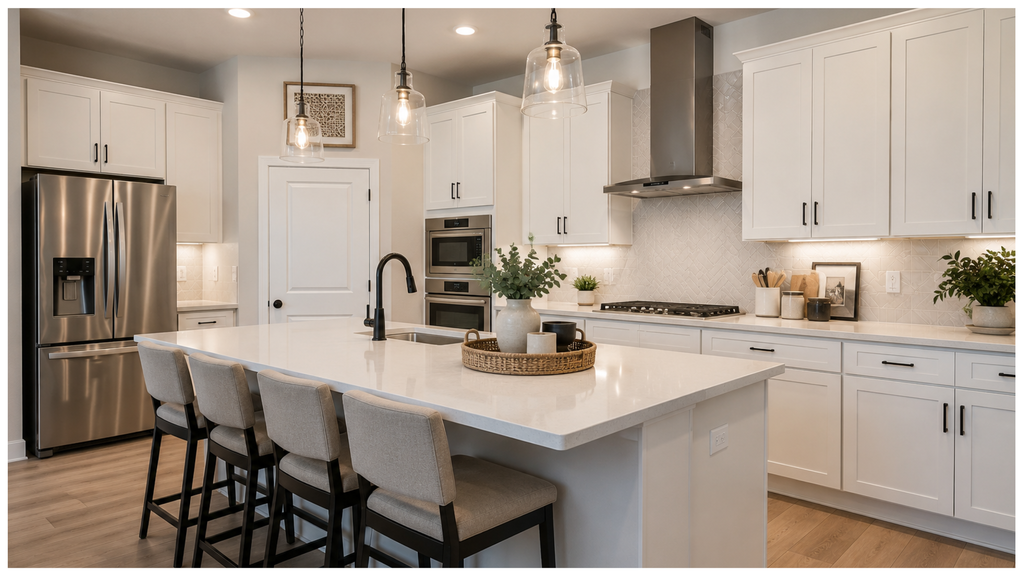
New homes are typically designed around the way many buyers live today. Depending on the builder and floor plan, features may include:
Open kitchen and living areas
Large kitchen islands
Walk-in pantries
Dedicated laundry rooms
Home offices or flexible rooms
Larger primary suites
Energy-efficient windows and appliances
Electric-vehicle charging provisions
Smart-home technology
Solar energy systems
These features may be available in an older home, but a resale buyer may need to remodel or update the property to obtain them.
Opportunities to Personalize the Home
If you purchase early enough in the construction process, the builder may allow you to choose certain finishes or upgrades. Options can include flooring, countertops, cabinetry, fixtures, appliances, electrical additions, and interior colors.
The availability of these selections depends on how far construction has progressed. Completed or quick move-in homes usually have finishes that have already been selected.
Before agreeing to upgrades, review how they affect the total purchase price, financing, appraisal, property taxes, and resale value. Some upgrades provide practical long-term value, while others are primarily personal preferences.
Builder Warranties
Newly constructed homes generally include warranty protection from the builder, although the coverage and duration vary. Buyers should carefully review the written warranty to understand:
What systems and materials are covered
How long each type of coverage lasts
Which items are excluded
How warranty requests must be submitted
Who is responsible for completing repairs
A builder warranty is valuable, but it does not replace the need for inspections, documentation, and a careful final walk-through.
Potential Builder Incentives
Builders may occasionally offer incentives to encourage buyers to purchase certain homes or use affiliated financing and title services. These incentives could include:
Interest-rate buydowns
Closing-cost credits
Design-center allowances
Appliance packages
Lot-premium discounts
Price reductions on selected homes
Included upgrades
Incentives are not guaranteed and can change based on inventory, sales pace, financing conditions, and the particular home being purchased. The lowest advertised interest rate or largest credit is not automatically the best overall deal. Buyers should compare the purchase price, loan terms, fees, upgrades, and total monthly payment.
Possible Disadvantages of New Construction
The Final Price May Exceed the Advertised Starting Price
Builders frequently advertise a community’s base or starting price. That amount may not include the lot premium, structural options, finish upgrades, landscaping, window coverings, certain appliances, or other buyer-selected features.
Before making a decision, request a written breakdown of the home’s complete price and what is included. Comparing the base price alone with the price of a finished resale home may not provide an accurate comparison.
Construction Timelines Can Change
Weather, labor availability, utility connections, inspections, permits, and material delays can affect a home’s completion date. Buyers who must sell another property or move by a particular date should build some flexibility into their plans.
If you are purchasing a home that is still under construction, carefully review how the contract addresses estimated completion dates, delays, financing deadlines, and changes in interest rates.
Developing Neighborhood Conditions
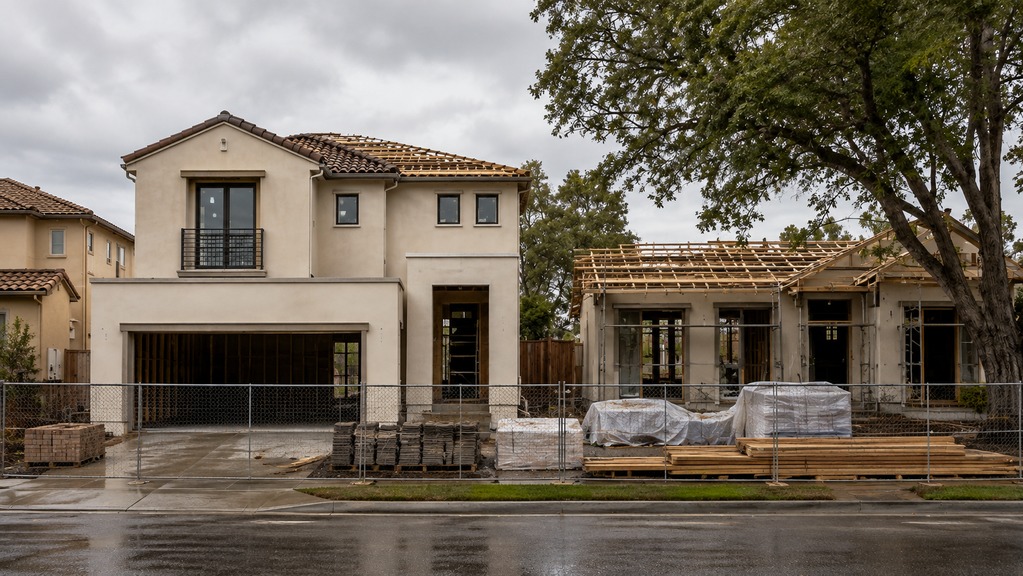
A new-home community may remain under construction for months or years. Buyers should expect construction traffic, noise, dust, temporary roads, unfinished landscaping, and changing neighborhood conditions as additional phases are built.
It is also important to ask about future development, planned amenities, homeowners’ association dues, special assessments, public facilities, nearby land uses, and any additional phases shown on the community plan.
Smaller or Less-Mature Landscaping
Some new homes have smaller yards or less mature landscaping than properties in established Hollister neighborhoods. Trees, shade, privacy, and neighborhood character may take time to develop.
Buyers should confirm what front- and rear-yard landscaping is included and whether there are requirements or deadlines for completing any unfinished areas.
Advantages of Buying a Resale Home in Hollister
Established Neighborhoods
Resale homes are often located in established neighborhoods with mature trees, completed streets, developed parks, and a more visible neighborhood character. Buyers can see the surrounding homes and existing conditions rather than relying mainly on plans or renderings.
Potentially Larger Lots
Depending on the neighborhood, some older Hollister homes may offer larger lots, wider side yards, mature landscaping, recreational-vehicle access, established outdoor spaces, or more distance between neighboring houses.
Hollister and the surrounding San Benito County area also offer resale opportunities involving rural properties, acreage, barns, workshops, wells, septic systems, and other features that may not be available in a typical new-home subdivision.
More Room for Negotiation
Resale transactions may provide opportunities to negotiate the purchase price, repairs, closing costs, personal property, or the closing timeline. The amount of flexibility depends on the seller’s circumstances and current market conditions.
Builders may negotiate differently. They may prefer offering financing incentives or upgrades instead of reducing the recorded sale price.
A Faster or More Predictable Move
A completed resale home generally offers a more predictable closing date than a property that is still being built. This can be especially important for buyers who are relocating, ending a lease, coordinating school schedules, or selling another home.
Possible Disadvantages of a Resale Home
Maintenance and Repairs
A resale home may have older roofing, heating and cooling equipment, plumbing, electrical components, windows, appliances, or finishes. Even a well-maintained property can require repairs or replacements over time.
A professional home inspection can help identify visible concerns, but buyers should also budget for future maintenance and recognize that inspectors cannot see every concealed condition.
Renovation Costs
A resale home may have the right location and lot but need cosmetic or structural improvements. Flooring, paint, kitchens, bathrooms, landscaping, and energy-efficiency upgrades can add significant cost.
When comparing homes, consider the purchase price plus the estimated cost, inconvenience, and timing of the desired renovations.
Lower Energy Efficiency
Building standards and energy requirements have changed over time. Some older homes may be less energy efficient than new construction unless they have received substantial updates.
Buyers should evaluate insulation, windows, heating and cooling systems, appliances, solar equipment, and the home’s recent utility history when available.
Should You Still Inspect a Brand-New Home?
Yes. A new home can still have incomplete work, installation errors, damaged materials, or items requiring correction.
Buyers may want to consider independent inspections at appropriate stages of construction, subject to the builder’s rules and the purchase agreement. Depending on the stage of the home, these could include:
A foundation or pre-pour inspection
A pre-drywall inspection
A final home inspection
A follow-up inspection before the builder warranty expires
The builder will typically conduct a final orientation or walk-through, but that process serves a different purpose from an independent inspection.
Do You Need a Real Estate Agent When Buying From a Builder?
The builder’s sales representative works for the builder. A buyer’s real estate agent can help the buyer understand the transaction, compare communities, evaluate incentives, review comparable sales, coordinate inspections, and identify questions that should be addressed before signing.
It is best to contact your agent before visiting a new-home sales office, requesting information online, or registering directly with a builder. Some builders have specific registration and first-visit policies that can affect whether your agent may represent you or receive compensation.
Buyer-agent compensation and representation terms can vary, so they should be discussed in writing before touring homes.
New Construction or Resale: Which Costs More?
There is no single answer. A new home may have a higher initial price but include newer systems, energy-efficient features, warranty protection, and fewer immediate repairs. A resale home may offer a lower purchase price, larger lot, mature landscaping, established neighborhood, or upgrades already completed by the seller.
A useful comparison should include more than the asking price:
Purchase price
Interest rate and financing costs
Builder or seller credits
Lot premiums
Upgrades
Landscaping
Window coverings and appliances
Homeowners’ association dues
Special assessments
Property taxes
Insurance
Expected repairs and maintenance
Estimated utility costs
Future resale considerations
Looking at the complete cost of ownership provides a clearer comparison than simply choosing the home with the lowest advertised price.
Questions to Ask Before Buying a New Home in Hollister
Before signing a builder contract, consider asking:
Which homes are currently available?
Are any quick move-in homes available?
What is included in the advertised price?
Is there a lot premium?
Which upgrades have already been added?
Are builder incentives currently available?
Must I use an affiliated lender to receive an incentive?
What is the estimated completion date?
How does the contract address construction delays?
Are solar panels owned, financed, or leased?
Is there a homeowners’ association?
Are there special taxes or assessments?
What landscaping is included?
What warranties are provided?
Can I use an independent home inspector?
Are additional phases or nearby developments planned?
What happens to my deposit if my financing changes?
Can my real estate agent represent me during the purchase?

How to Decide Between New Construction and Resale
New construction may be the better fit if you value modern design, energy efficiency, fewer immediate repairs, builder warranties, and the possibility of selecting finishes.
A resale home may be the better fit if you prioritize an established neighborhood, mature landscaping, a larger lot, a particular location, or a faster and more predictable move.
Many buyers benefit from touring both. Comparing new and resale homes side by side makes it easier to understand what your budget can purchase throughout Hollister.
Get Help Comparing New Construction and Resale Homes in Hollister
Buying a newly constructed home involves different contracts, timelines, incentives, inspections, and negotiation strategies than purchasing a resale property. Having local representation can help you compare the complete cost and understand what each builder is offering.
Seth Muenzer, Broker/Owner of Muenzer & Co. Real Estate, helps buyers explore new construction and resale homes throughout Hollister and San Benito County.
Contact Seth before visiting a builder’s sales office so you can understand the builder’s registration requirements and your representation options.
Seth Muenzer
Broker/Owner, Muenzer & Co. Real Estate
California DRE #01977416
Phone: 831.245.0050
Website: SethMuenzer.com
Contact: Request New-Construction Information
Check out this article next